
The statement of retained earnings can be seen either as a standalone statement or within the balance sheet or income statement of a company. It involves crucial information about the retained earnings of a firm followed by the net income that shareholders received as dividends. The net income of a company is taken care of, and it shows the extent of money to be kept as reserves excluding dividends offered to shareholders and any amount of money aimed to recover losses. The statement of retained earnings is made for a specific time period which can also be seen on the statement itself. Preparing an accurate statement of retained earnings is crucial for decision-making.
Comparing the statement of retained earnings to other documents

Understanding how retained earnings evolve allows business owners and investors to grasp a company’s financial health and ability to grow or return value to shareholders. While net income measures a company’s earnings for a single period, retained earnings show the accumulation of profits over time. Nova Electronics Company earned a net income of $1,500,000 for the year 2021. The retained earnings account balance as per adjusted trial balance of the company was $3,500,000. During the year, the company declared and paid a dividend of $250,000 to its stockholders. On January 1, 2021, Nova had 500,000 shares of $10 par value common stock and 50,000 shares of $100 par value preferred stock outstanding.
Building Shareholder Trust

Dividends are a way to share profits with investors, so each time a dividend is declared, the amount taken out comes straight from the retained earnings pot. To prepare a Statement of Retained Earnings, start with the beginning retained earnings balance, add net income or subtract net loss for the period and then subtract any dividends paid. In recent years, there has been a noticeable trend towards transparency in financial reporting, including the Statement of Retained Earnings. Additionally, the impact of economic factors, such as inflation and market volatility, on retained earnings is being more closely scrutinized. In essence, retained earnings are a key component of a company’s equity and serve as an indicator of its financial stability and growth potential. They are crucial for a company’s long-term financial success and its ability to adapt to changing market conditions.
Informing Shareholders Through Retained Earnings Reports
And, historically speaking, EPS has been the standard measurement when comparing stocks and evaluating a company’s profitability. On the other hand, EPS is an easy-to-calculate, readily available retained earnings statement way to interpret how much profit a company makes per share. The price-to-earnings (P/E) ratio and EPS work together but evaluate different things.

Allocate According to your Business Lifecycle: Growth or Consistent Payouts?
- Certain conditions must be satisfied for pass-through deposit insurance coverage to apply.
- Learn how to handle your small business accounting and get the financial information you need to run your business successfully.
- Net income and retained earnings may have distinctive differences, but both play a pivotal role in allowing financial professionals to gain a better look at their company’s finances.
- Retained earnings aren’t just numbers on a page—they’re the foundation of your company’s future.
- The balance between these two ratios is crucial for assessing a company’s financial strategy.
A company that more consistently beats estimates could be considered a better stock option than a company that doesn’t. Nevertheless, keep in mind that these EPS bets Online Accounting are also relative, based on the market and economic conditions for corporate profits. Moreover, EPS only considers net income and overlooks the capital required to generate earnings, market price, and stock performance, thus ignoring several other factors. Instead, you could look at the EPS trend over time to see if the company is on its way to becoming profitable, or evaluate other metrics like revenue growth, customer acquisition, book value, etc. Earnings per share (EPS) represents the amount of profit that can be generated per share of stock.
- For example, a temporary reduction in dividends coupled with increasing retained earnings can be positioned as an investment in future growth.
- EPS is often compared quarter-over-quarter or year-over-year to assess profitability trends.
- For instance, a company might retain more earnings during periods of high profitability to continue paying dividends during leaner years.
- Each accounting period, the revenue and expenses reported on the income statement are “closed out” to retained earnings.
When a business keeps its profits instead of paying them out as dividends, it can use that money to invest in new projects, upgrade equipment or expand operations. This reinvestment can lead to growth and potentially higher profits down the road. A company’s retention ratio gives an indication https://haire.vn/client-advisory-services-salt-lake-city-ut/ of what percentage of net income is retained for reinvestment, while the payout ratio shows the percentage distributed as dividends. Both ratios help assess the company’s strategies for growth and shareholder returns. While revenue represents the inflow of money, expenses reflect the outflow.
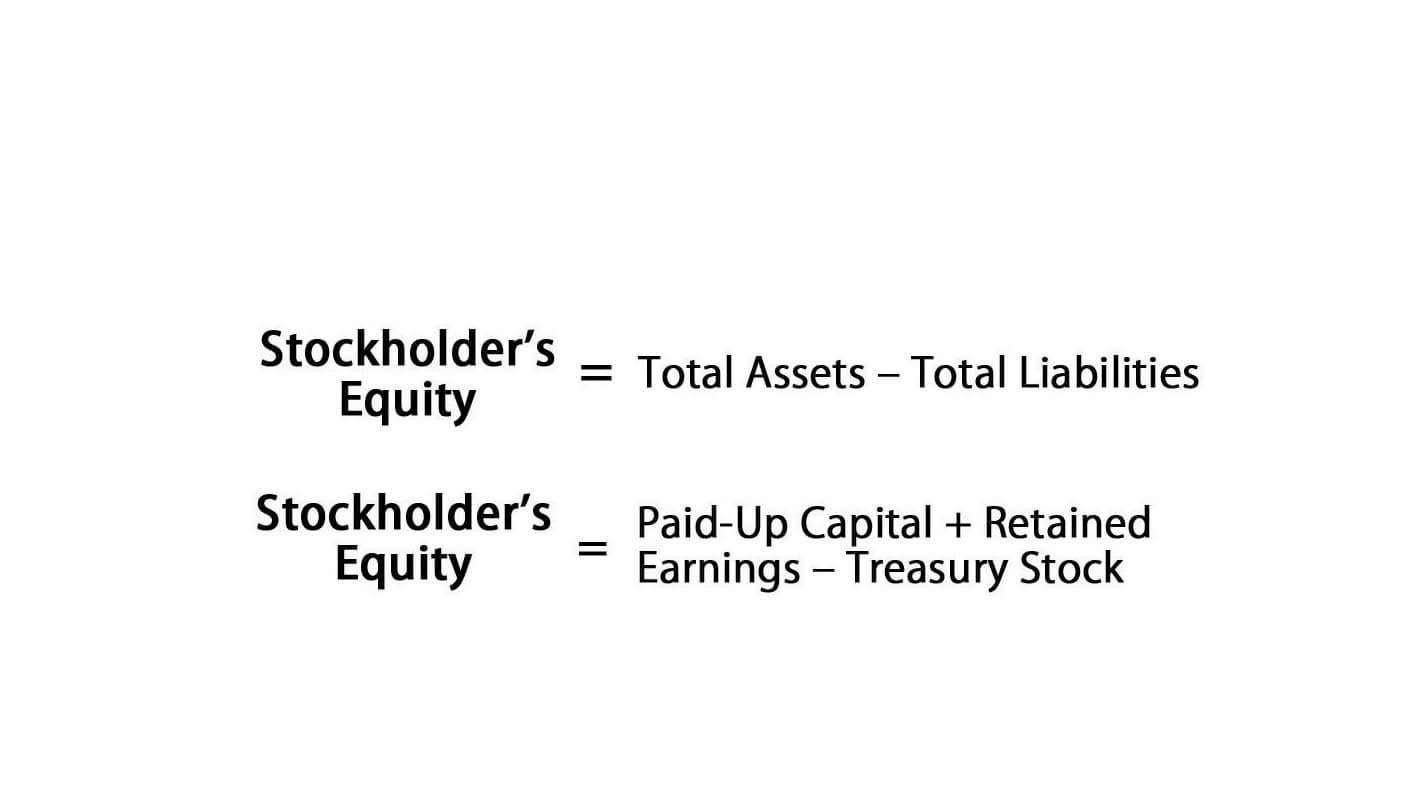
- As retained earnings increase, so does shareholders’ equity, resulting in a greater net book value of the company’s equity.
- In the context of financial statements, the statement of retained earnings is one of the four main statements, along with the balance sheet, income statement, and statement of cash flows.
- Doing so can hinder the company’s ability to obtain financing or outside investment.
- The first step in creating a retained earnings statement is clearly labeling the document.
- Paul’s net income at the end of the year increases the RE account while his dividends decrease the overall the earnings that are kept in the business.
C. Evaluates the Company’s Ability to Reinvest
Opening with the correct balance is vital as it sets the groundwork for the subsequent calculations. This financial flexibility adds resilience to the business, helping it navigate harsh market conditions. The RE balance may not always be a positive number, as it may reflect that the current period’s net loss is greater than that of the RE beginning balance. Alternatively, a large distribution of dividends that exceed the retained earnings balance can cause it to go negative. They can be used for future investments, like expanding operations or launching new products. So, when a company has healthy retained earnings, it often means they have the flexibility to pursue growth opportunities without needing to rely solely on external funding.

Calculate ending retained earnings to match your balance sheet
For example, if a company has historically retained a significant portion of its earnings but has recently started paying out a higher percentage as dividends, this could signal a shift in strategy. Whether this is viewed positively or negatively depends on the investor’s perspective—some may appreciate the increased dividends, while others might worry that the company is no longer prioritizing growth. This suggests that the company is returning 20% of its net income to shareholders, which can attract investors seeking a regular income stream from dividends. However, a high dividend payout ratio might also indicate that the company is not focused on growth or does not have lucrative reinvestment opportunities. Net income is the company’s total profit after deducting all expenses, including taxes and operating costs.